
Swimming with Whale Sharks in Cancun: Citizen Science in Action
Swimming with Whale Sharks in Cancun: Citizen Science in Action
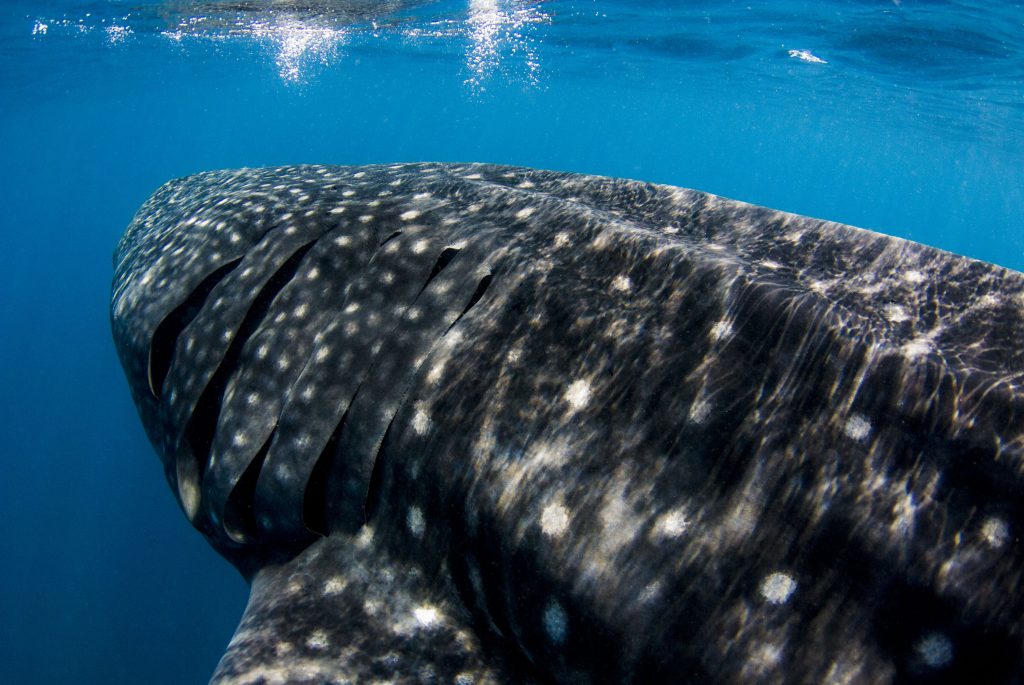
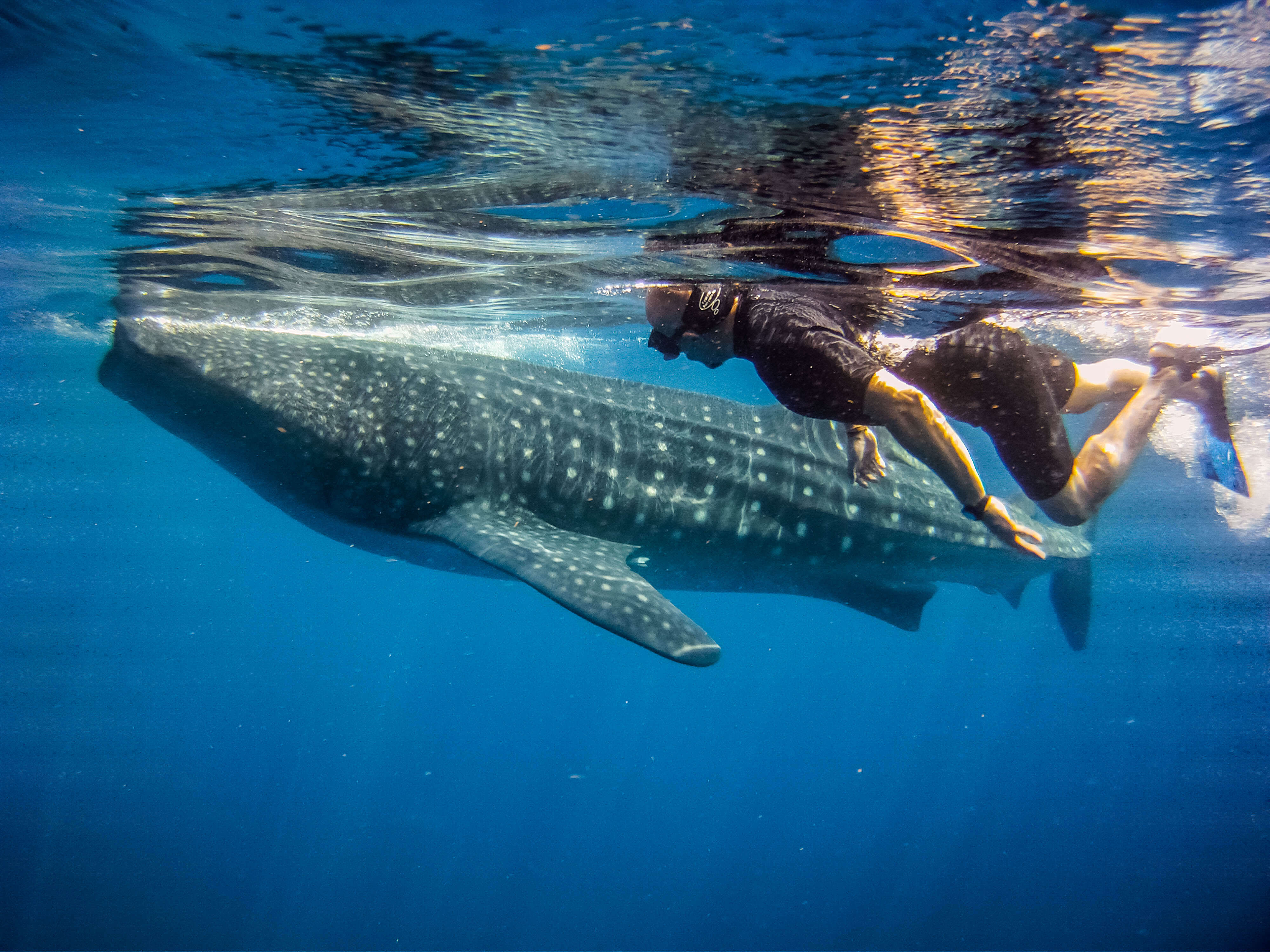
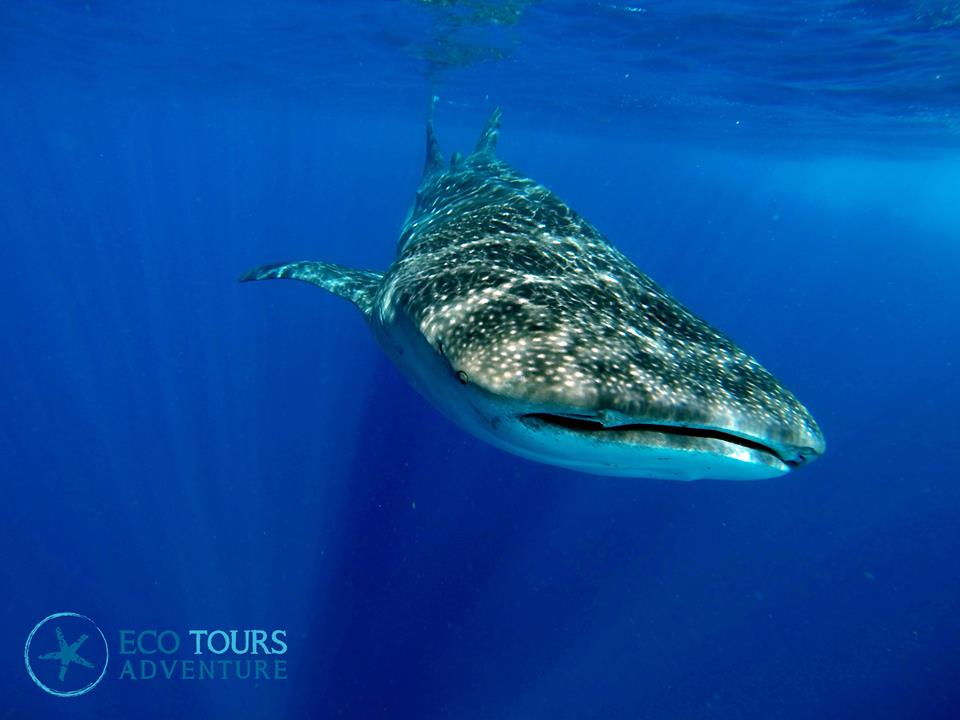
swimming with whale sharks every summer, from mid-May to mid-September, the waters off Isla Mujeres and Cancun turn into one of the world’s largest whale shark aggregations. Hundreds of these gentle giants gather to feast on plankton-rich currents — and you can swim right alongside them.The whale shark (Rhincodon typus) is the largest fish on Earth, reaching up to 18 meters and weighing over 20 tons. Despite their size, they’re completely harmless filter feeders. Their skin is covered in a unique pattern of white spots and stripes — like a fingerprint. No two are alike.That’s exactly why your photos matter.The global database Sharkbook.ai has now catalogued over 25,559 individual whale sharks from 146,407 sightings, thanks to thousands of citizen scientists like you. Every clear photo of their left flank (the area behind the gills and pectoral fin) helps researchers track migration, growth, and population health.
How to contribute real science on your tour:
To turn your swim into real data, Sharkbook.ai needs three specific types of images — in this order of importance:
- A clear left-side shot of the unique spot pattern just behind the gills, above the left pectoral fin.
- This is the money shot — the software uses it to identify the shark like a fingerprint.
- A right-side shot of the same area — useful for confirming identity and building a fuller profile.
- Photos of any scars or distinctive markings on the head, fins, body, or tail — these help match sharks that have been seen before.